Fentanyl Education
Facts. Language. Prevention. Proctection. Harm Reduction.
What Is Fentanyl?
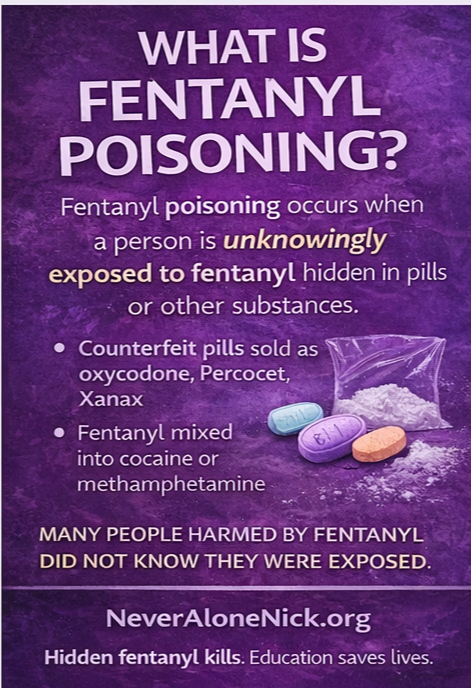
Fentanyl is a synthetic opioid with two very different realities.
Understanding this distinction is essential for prevention, policy, and public safety.
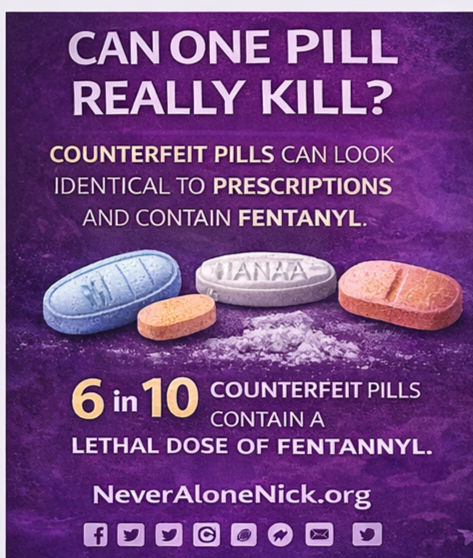
The fentanyl driving today’s crisis is unregulated, unpredictable, and often hidden. It is frequently mixed into other substances without a person’s knowledge or consent — including counterfeit pills and non-opioid drugs.
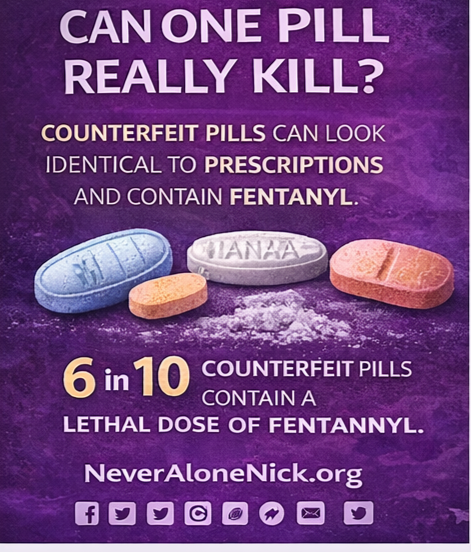
Illicit Fentanyl vs. Medical Fentanyl
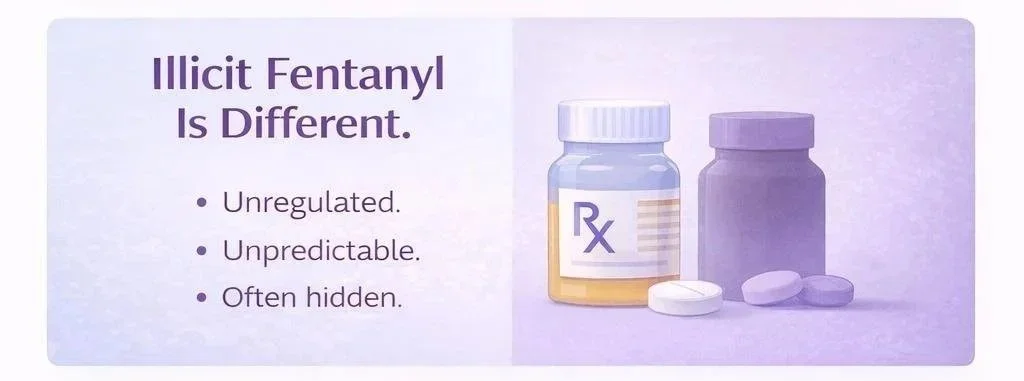
Medicinal (Pharmaceutical) Fentanyl
Medical fentanyl is a medication with legitimate medical uses when it is
Prescribed by a licensed healthcare provider
Correctly dosed
Administered in controlled medical settings.
Dosage is known and monitored
People are not dying from prescribed medical fentanyl when it is taken as directed.
This difference matters.
Illicit Fentanyl
The fentanyl driving the current crisis is illicit fentanyl.
Illicit fentanyl:
Is manufactured and distributed illegally
Has no quality control
Varies widely in potency
Is often mixed into other substances without the user’s knowledge or consent
This unregulated fentanyl is responsible for the majority of fentanyl-related deaths today.
Fentanyl Poisoning vs. Overdose
Many deaths are currently labeled as “overdoses” are more accurately understood as:
FENTANYL POISONINGS
Fentanyl poisoning refers to exposure to an unknown or unintended substance, rather than overuse of a known drug.
People may believe they are taking:
• A prescription pill (such as pills sold as oxycodone, Percocet, or Xanax)
• A familiar substance such as Cocaine, Methamphetamine, or Heroin
• Something they have taken safely before
But instead, they are exposed to hidden fentanyl.
Language Matters.
When we name poisoning accurately, we
Reduce stigma
Improve prevention
Support more effective public safety responses
Conflating medical fentanyl with illicit fentanyl obscures the real source of risk and delays solutions that could save lives.
Naming this distinction matters — for prevention, policy, medical response, and family support.
Many of these deaths are better understood as fentanyl poisoning — exposure to an unknown, unexpected, or misrepresented substance — rather than overdose from a known drug.
A Public Safety Issue —
Not Just an Addiction Issue
Fentanyl exposure does not require:
• A substance use disorder
• Regular drug use
• Identifying as a “drug user”
People at risk include:
• First-time or infrequent users
• People taking pills they believed were legitimate prescriptions
• Teens and young adults
• People with and without substance use disorder
• Families and children exposed accidentally
Hidden fentanyl is a public safety crisis.
When Something Doesn’t Feel Right
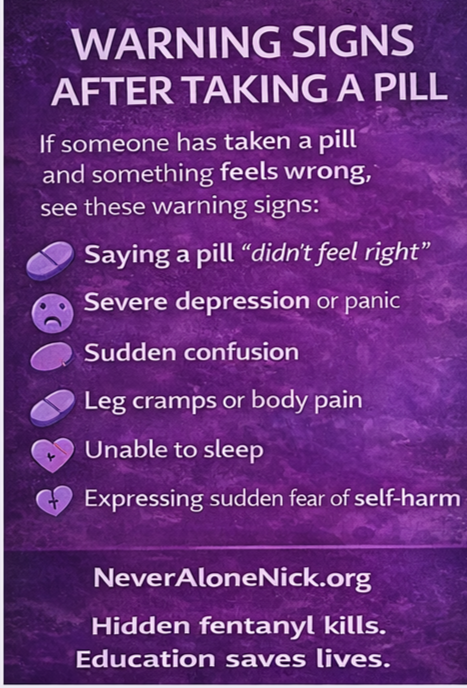
Many people harmed by illicit fentanyl did not ignore danger.
They noticed something was wrong but lacked the education, language, information, or support to understand what was happening in time.
That gap between exposure and understanding is where prevention can save lives.
Social Responses Can Increase or Reduce Risk
Sometimes, when someone shares concern about a substance, the response they receive unintentionally increases danger.
This can look like:
Minimizing the concern
Normalizing symptoms
Encouraging continued use
Treating distress as “just mental health” without asking why it suddenly appeared
This is not always malicious.
But it can delay care and silence warning signs.
About Fentanyl Test Strips
Fentanyl test strips can be one harm reduction tool, but they have important limitations.
Important facts:
Fentanyl test strips were originally validated for urine testing, which can help detect exposure after use
Some people use test strips to test substances directly, but this method has limitations
Illicit drugs may contain fentanyl unevenly (“chocolate chip cookie effect”)
A negative test does not guarantee safety
Accurate substance testing requires fully dissolving the drug
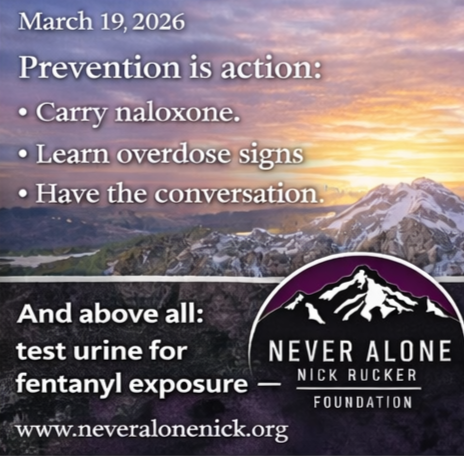
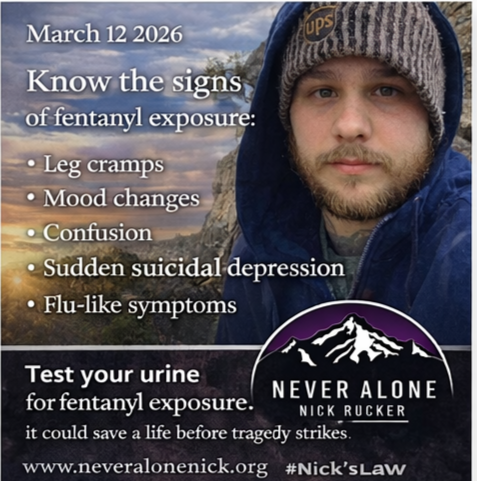
Testing urine after unexpected symptoms can help identify fentanyl exposure — especially when symptoms are sudden, severe, or unexplained.
However, many people do not test because they do not believe they are at risk.
Education must reach everyone — not only those who already identify as using drugs.Many people do not know they need to test — because they do not believe they are at risk
Testing for Possible Exposure
Fentanyl test strips were originally validated for urine testing.
In some situations, urine testing may help confirm fentanyl exposure after symptoms begin, support medical advocacy, and guide people to seek immediate care when something feels wrong.
A positive test does not explain timing or dose — but it can provide critical information when symptoms are confusing or dismissed.
Education must reach everyone.
Test strips are one tool- not a guarantee.
Education and access must work together.
Testing does not replace medical evaluation.
It is one tool to support understanding and safety.

Naloxone (Narcan)
Saves Lives
Naloxone reverses opioid poisoning and is safe to carry.
We encourage:
• Every household to carry naloxone
• Friends, families, and communities to learn the signs of opioid poisoning
• Removing stigma around carrying or using naloxone
You do not need to identify as someone who uses drugs to carry naloxone.
If You Think Someone Has Been Exposed
• Call emergency services immediately
• Administer naloxone if available
• Stay until help arrives
• Advocate clearly and calmly
Asking for help is an act of care — not a confession.
What to Say / What Not to Say
Helpful response
“I’m glad you told me.”
“Let’s slow down and make sure you’re safe.”
“Hidden fentanyl is common — this could matter.”
“We don’t have to figure this out alone.”
Responses that can increase risk
“You’re overthinking it.”
“That happens to everyone.”
“It’s probably just anxiety.”
“You’ll be fine.”
Your response can create safety — or silence.
Our Commitment
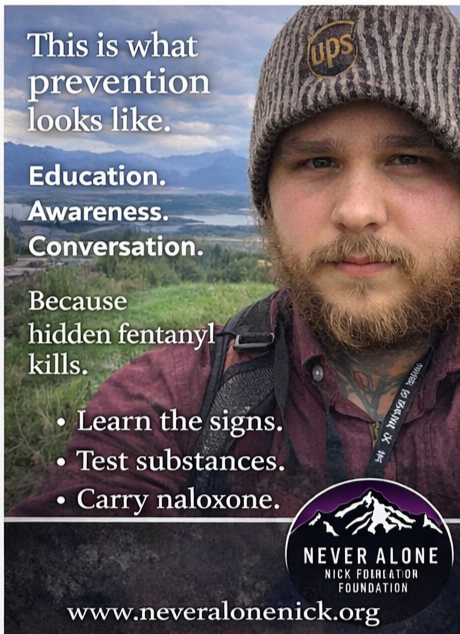
Never Alone Nick exists to:
• Name hidden fentanyl exposure honestly
• Support families left without language or recognition
• Expand harm reduction to include everyone
• Reduce preventable loss through education, compassion, and truth
Closing the gap between and exposure and understanding-throughlanguage, testing, and compassionate response- is central to
Nick’s Law and to preventing future loss.